Meet EquiLabs
the digital age wasn’t built for everyone, and we’re here to change that.
EquiLabs is a digital rights laboratory driving a future where data and AI serve people and the planet, putting equity, fairness, and accountability first.
our labs approach
using our “labs” approach, we transform bold ideas into meaningful action: through research, advocacy, consultancies and hands-on projects, we’re transforming how data and AI impact lives, shaping policies for transparency, and fostering partnerships to build digital systems that empower and protect communities.
youth-led + intergenerational
we are proudly youth-led, bringing fresh energy, lived experience, and a commitment to bold change. our work thrives through intergenerational collaboration, partnering with diverse voices across generations to create a digital future rooted in equity and justice.
building a global movement
our work is inherently global, while also uplifting the perspectives and needs of communities historically excluded from digital decision-making around the world. we collaborate to create just, inclusive, and empowering solutions, ensuring technology serves everyone equitably.
what we do
advocacy &
systems change
we bring youth-led demands into decision-making spaces. from UN fora to national policy processes, we translate collective insights into proposals, campaigns, and accountability-driven interventions.
collective research
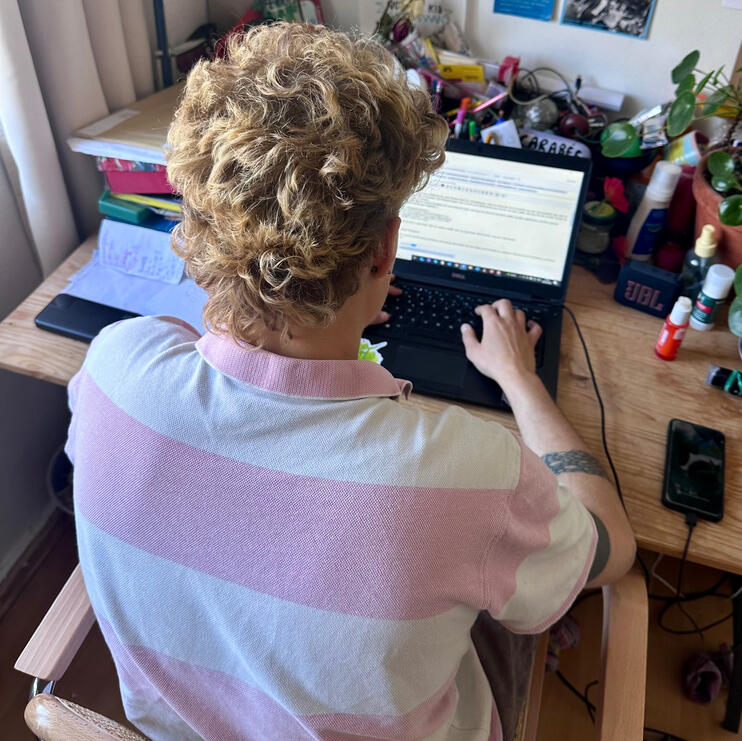
we work with those most affected by digital systems to document lived experiences of AI, platforms, and data extraction. our research turns frustration, harm, and hope into intersectional evidence that can’t be ignored.

movement-building
we create spaces to understand power in tech and turn insight into action. from queer AI workshops to activist bootcamps, we support youth to move from participation to real influence.
inside our work
a glimpse into how we engage, challenge, and reshape conversations on technology governance and power

Unlearning Systems - Mozilla Festival

Meeting with United Nations Secretary-General António Guterres

EquiLabs Workshop - Mozilla Festival

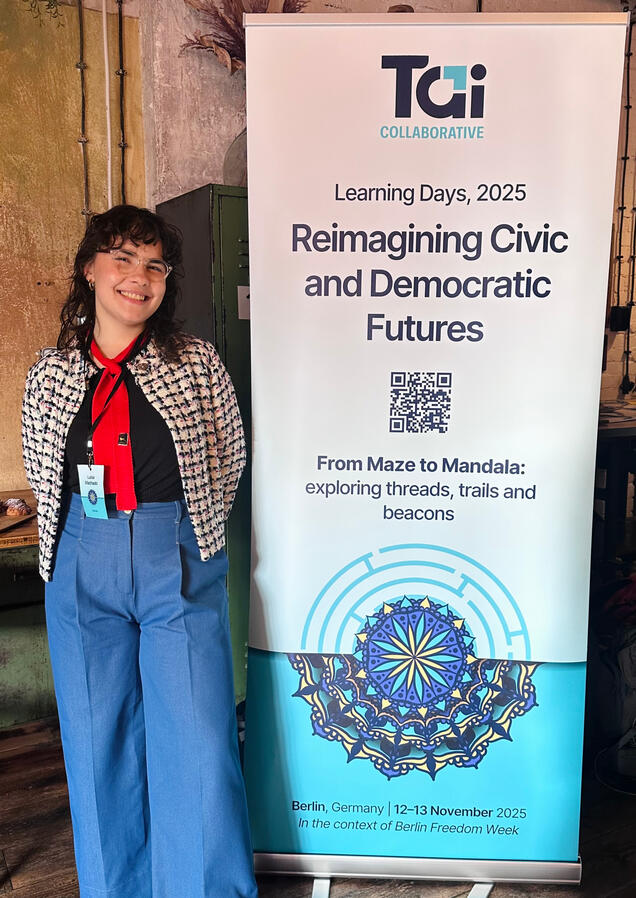
Trust, Accountability and Inclusion (TAI) Collaborative - Berlin Freedom Week

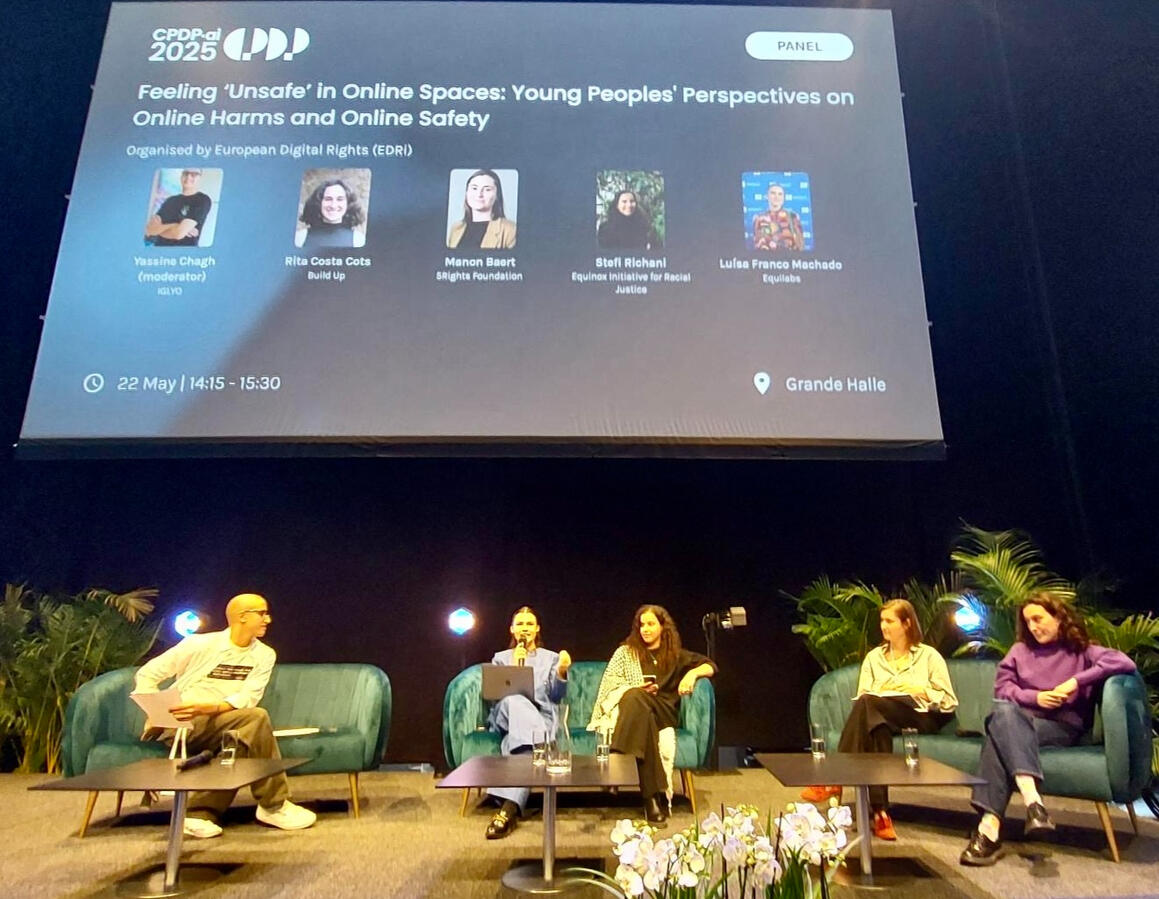
CPDP.ai

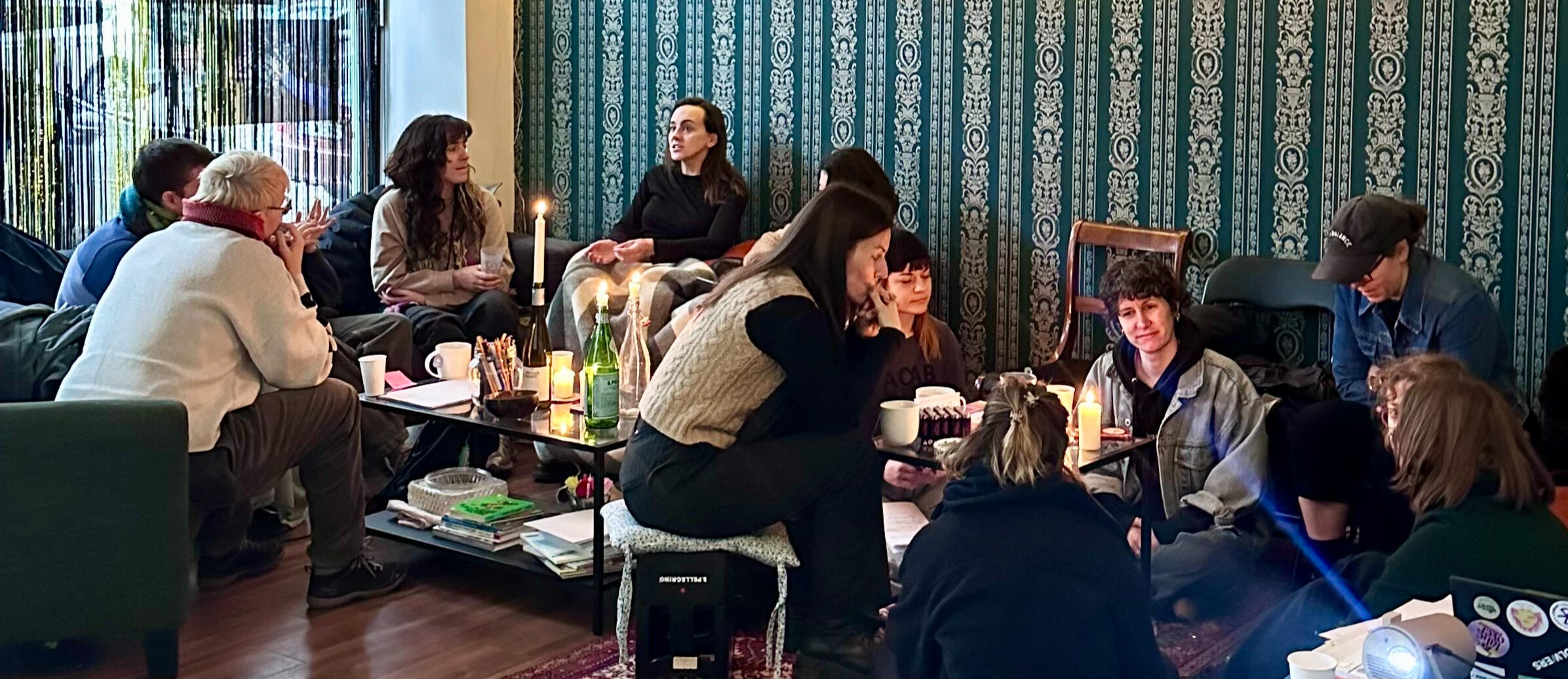
Queering AI Workshop - EquiLabs + Allesbien Collective Berlin

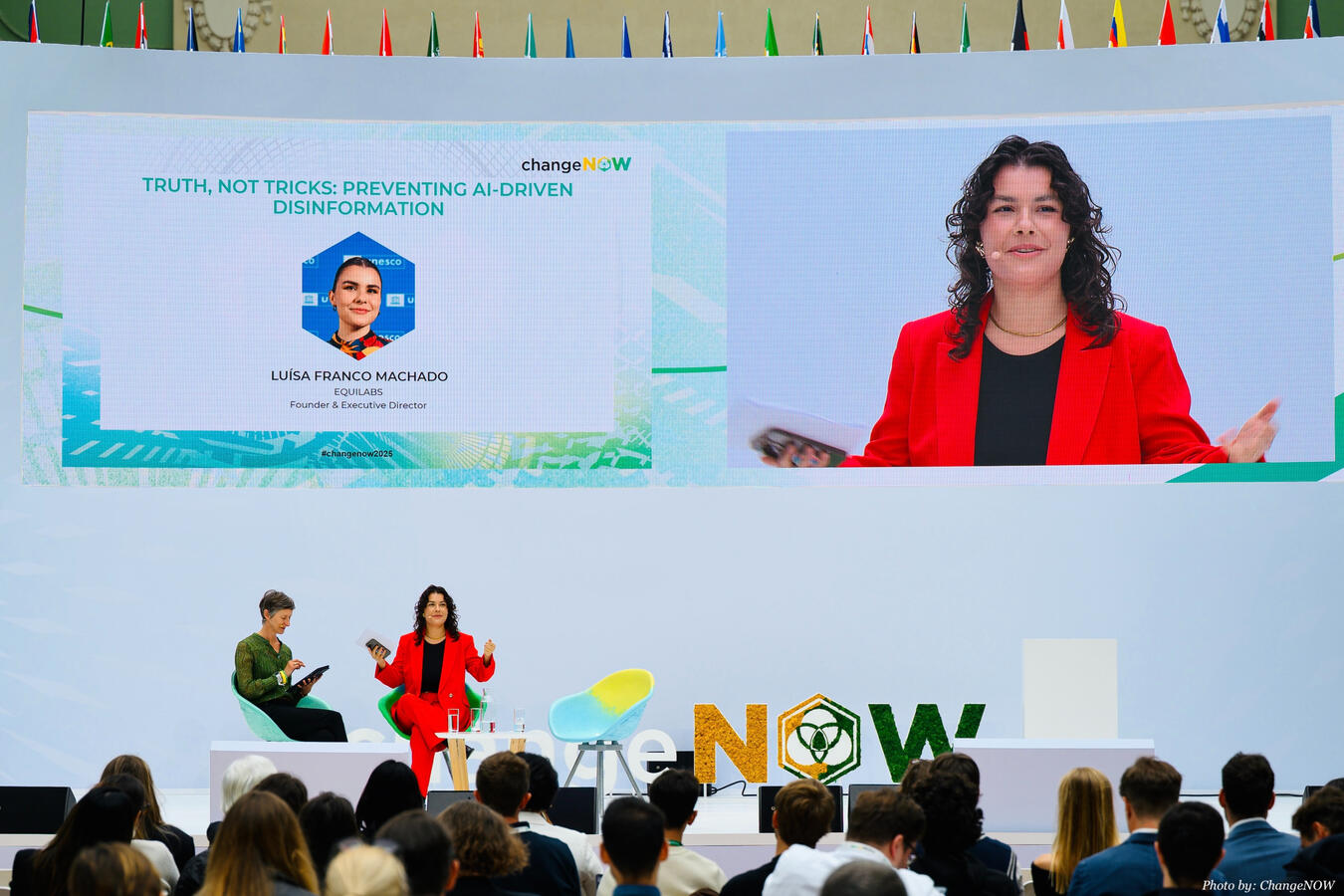
Preventing AI-driven Misinformation - ChangeNOW

UNFPA Global Symposium on TfGBV

Stories from the Global South - Financing for Feminist Futures Conference

UNDP New Ways of Governing Conference

Computer Says Maybe Podcast

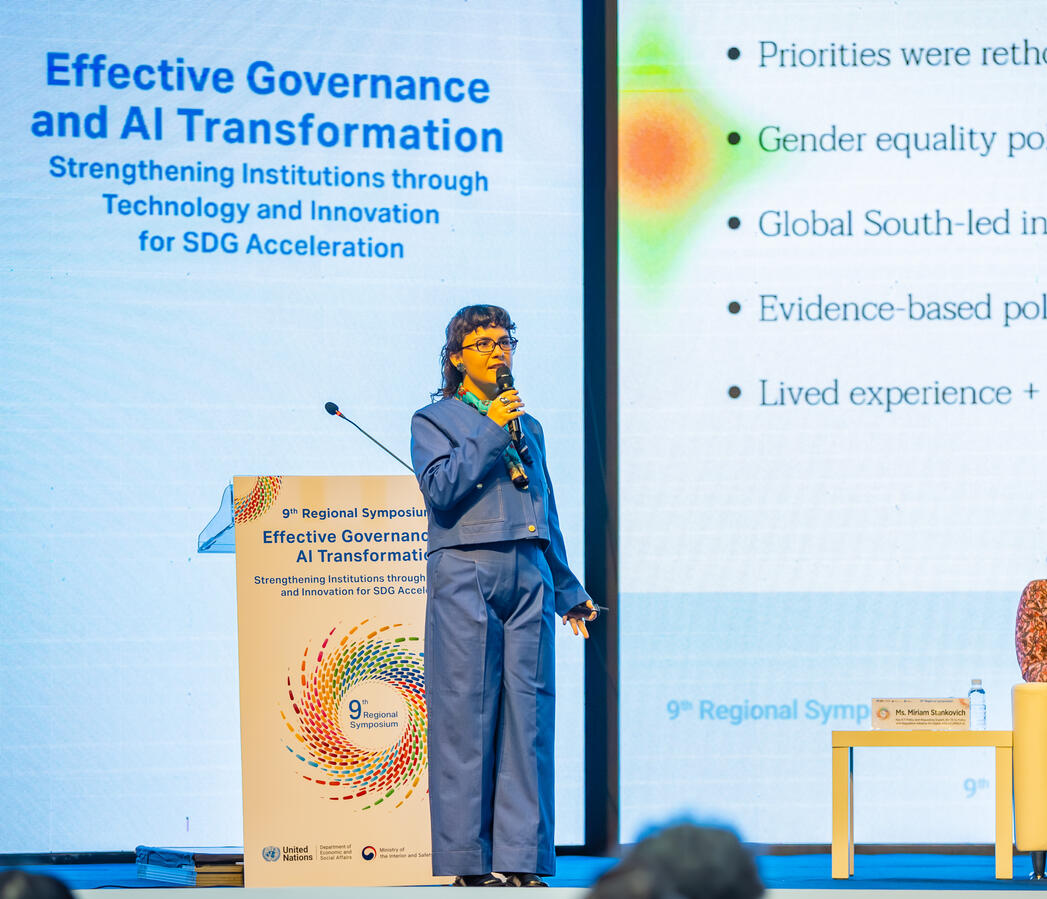
UNDESA Symposium on Effective Digital Governance and AI Transformation
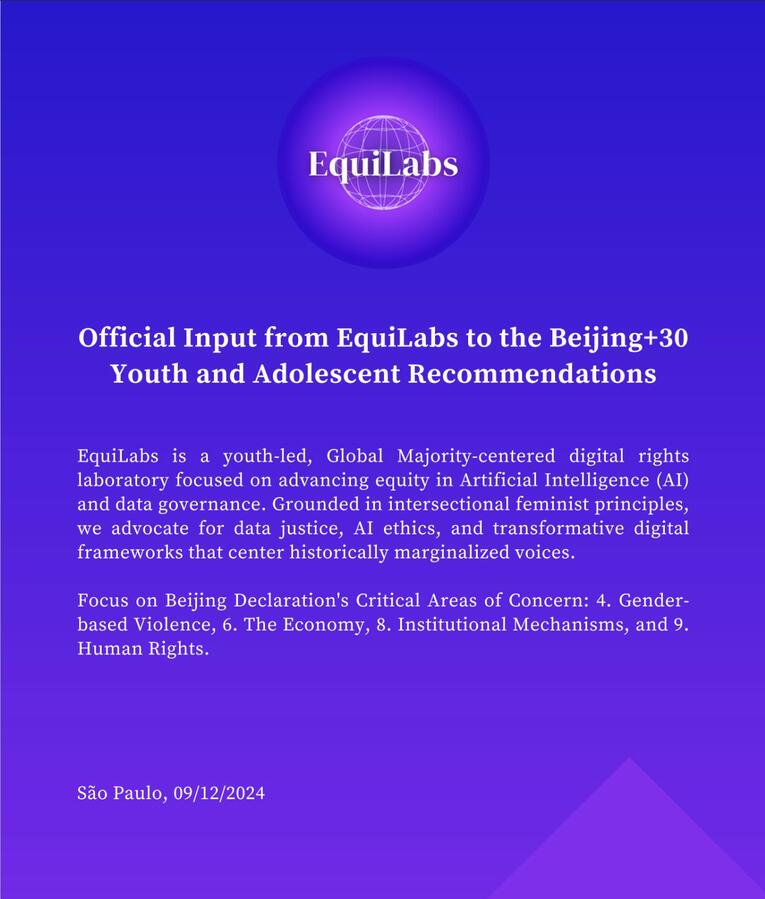
Official Input to the Beijing+30 Youth and Adolescent Recommendations

London Climate Action Week

University of Oxford

World Bank Group Brazil Youth Summit

Cables of Resistance Conference Berlin
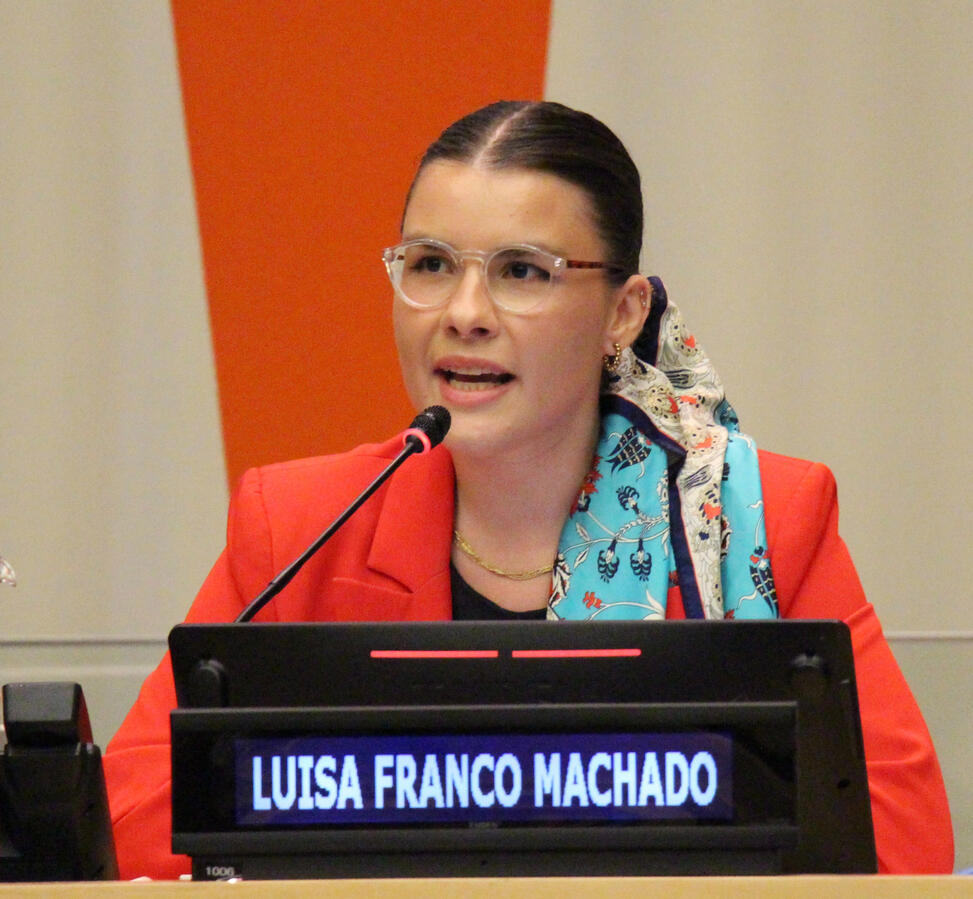
UNDESA SDG16 Conference UNHQ

UN Committee of Experts on Public Administration








media features

Computer Says Maybe Podcast
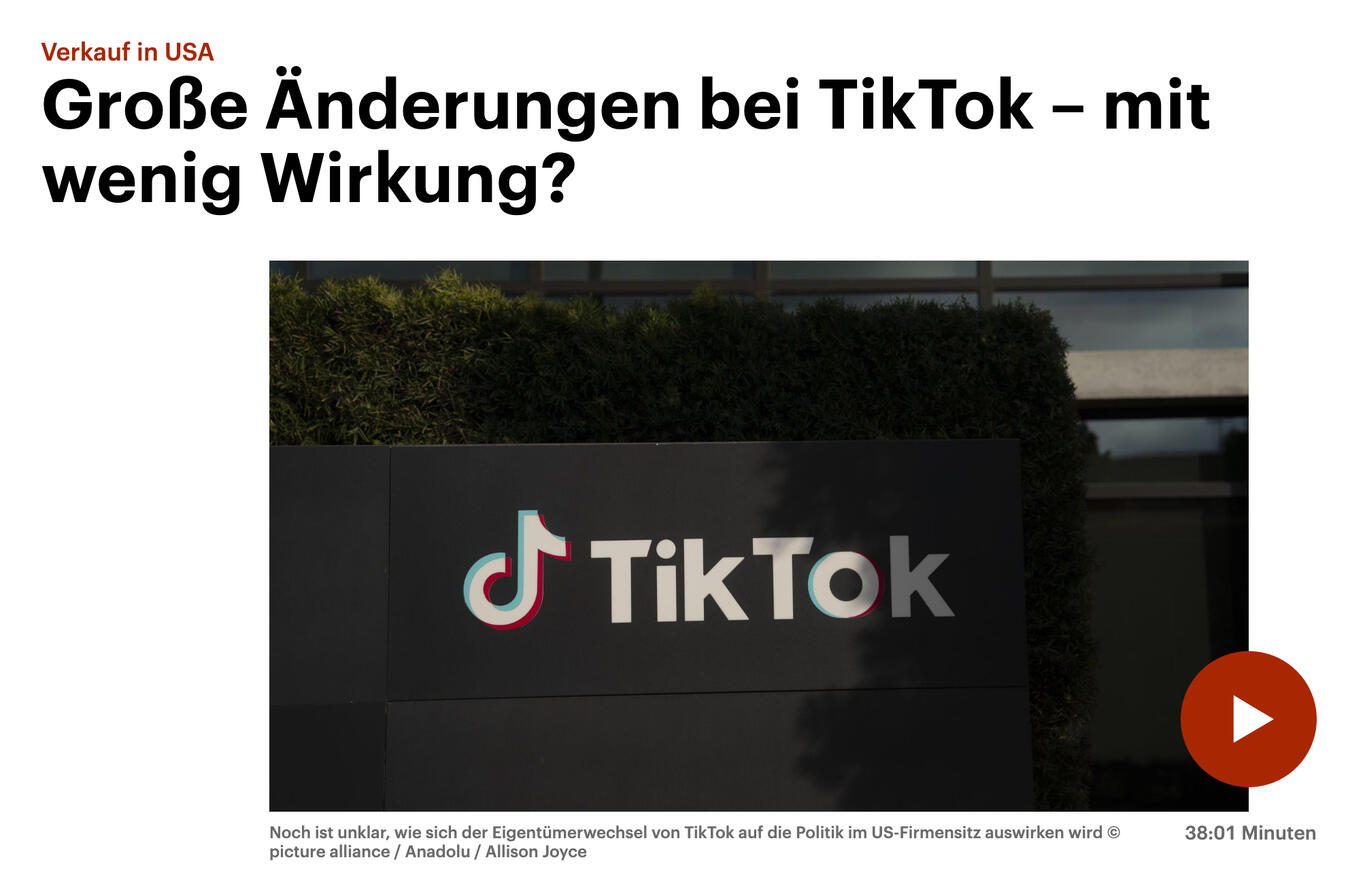
Deutschlandfunk Kultur Radio
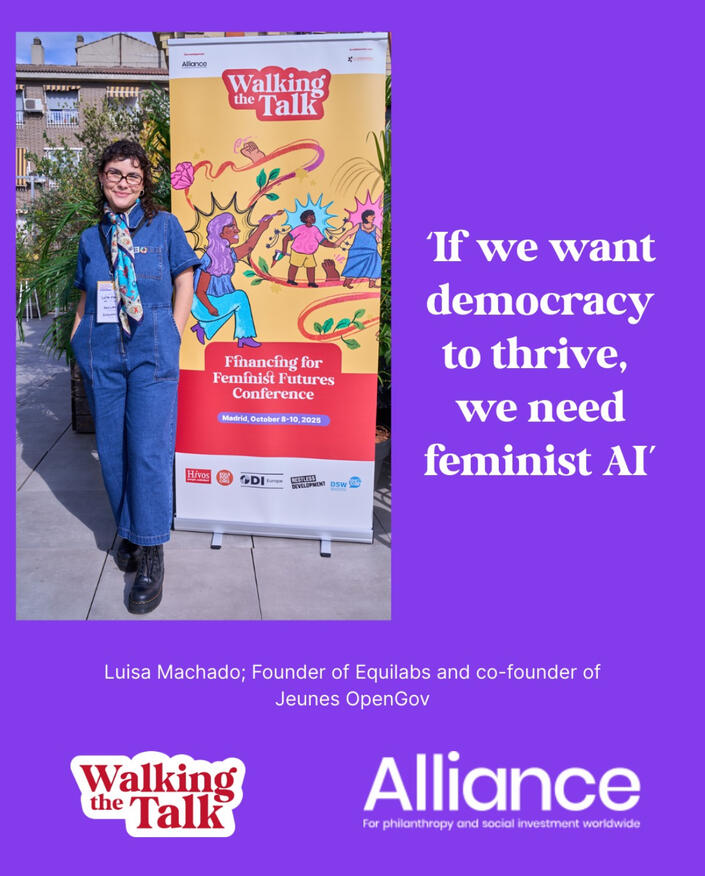
Alliance Magazine
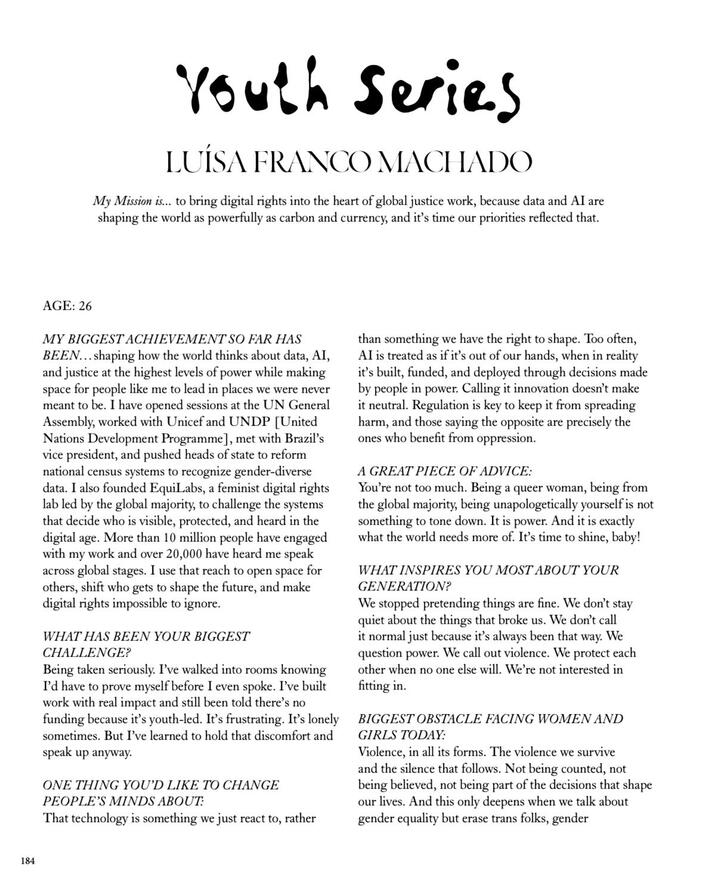
Mission Magazine
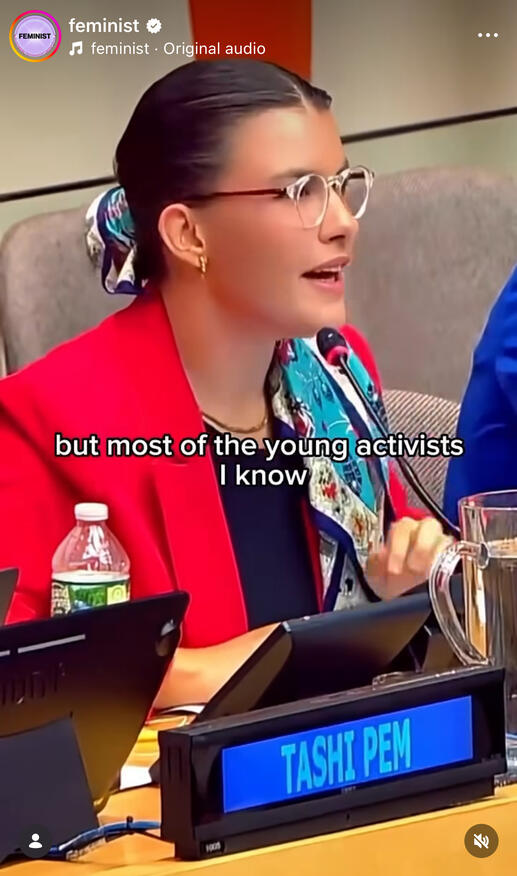
FEMINIST on Instagram

Reclaiming the (Artificial) Intelligence Age
A Youth Manifesto for Digital Justice at Davos
Most of us will never set foot in the halls of the World Economic Forum in Davos, yet the decisions made there will determine our shared digital fate far beyond the Swiss Alps. We, young people from every continent, echoed by allies of all generations, refuse to accept an “Intelligent Age” built on data exploitation, the suppression of marginalized voices, and the shameless spread of disinformation. We have seen Artificial Intelligence systems reinforce racial and gender biases, labeling Black faces as threats while ignoring the rich identities of Indigenous and trans communities. We have watched social media giants profit from hate speech even as it fuels mental health crises, and we have witnessed how corporations quietly expand surveillance without remorse. In pursuit of short-term power, far-right propaganda thrives online, eroding hard-won democratic guardrails. Women, LGBTQIA+ individuals, and people of color endure relentless digital harassment, and countless people in war-torn or impoverished areas remain disconnected, as entire infrastructures are dismantled by conflict or censorship. Meanwhile, massive data centers cast an enormous carbon shadow over a planet already on the brink. Enough.We demand a sweeping transformation in how you, the world’s leaders, devise, regulate, and deploy our digital reality. We insist on truly affordable, meaningful internet access that dismantles divides between North and South, urban and rural - so that no government can flip an off-switch and silence entire populations. We want AI that’s co-created with the very communities who stand to lose the most from its biases, tested by transparent audits, and bound by human rights and equity impact assessments with real teeth. We will not stand idle while data colonialism runs rampant. Where our personal information, especially from those “at the bottom of the data pyramid,” is extracted for private gain. We call for binding global standards that enshrine privacy as a right, not a corporate perk, and demand an end to harmful business models that reward disinformation, embolden far-right extremism, and pit profit against people’s well-being.We demand concrete accountability for tech giants whose platforms glorify hatred and misinformation, whose algorithms relentlessly track us, and whose decisions poison our environment with e-waste and carbon-heavy infrastructure. These corporations must face real consequences if they fail to safeguard user privacy or contribute to ecological devastation. We demand a global framework that actively centers the voices of the historically excluded, women, youth, LGBTQIA+, people of color, Indigenous communities, those in the Global South, whose experiences are routinely sidelined in high-level negotiations. We need massive investment in public digital infrastructure - technology created for collective resilience rather than private profit. We want binding laws that defend our right to speak, protest, and simply exist online without fear of harassment or surveillance. Every AI system, from chatbots to facial recognition, must serve people, not power.If you in Davos cannot muster the courage to carry out these changes, know that we will. Our generation will not remain silent while the digital world, which could unite us, only deepens our fractures. We are forging alliances across borders and identities, repossessing our data from intrusive systems, and raising our voices in every venue, online and offline, until our demands are met. This is not a polite request; it is our unmistakable demand for a just, sustainable, and inclusive digital era. We hold the tools, the vision, and the resolve to reshape these systems from the ground up. Join us in creating a digital age that honors our shared humanity, or step aside as we do it ourselves. History is watching, and we will not be remembered for standing still.With hope and urgency,
Youth of the World** Over 300 young activists worldwide contributed to this manifesto through a collective consultation. Yet we acknowledge that many whose lives are shaped most profoundly by war, poverty, and oppression could not participate. We stand in solidarity with them and pledge that no one will be left behind in the Intelligent Age. This manifesto and consultation were organized by EquiLabs, a youth-led digital rights laboratory dedicated to reshaping data and AI governance for equity and justice.
17 January 2025
digiLab - um laboratório de direitos digitais para a juventude brasileira
a juventude no Brasil e no mundo vive na linha de frente das transformações digitais e de suas consequências. algoritmos reproduzem e amplificam racismo, machismo e LGBTfobia. a desinformação molda o debate público e aprofunda a polarização política. dados pessoais são coletados e explorados sem consentimento real.ao mesmo tempo, as decisões sobre o futuro digital do país seguem concentradas em espaços fechados, dominados por grupos com poder político, econômico e institucional consolidado. a juventude, especialmente de comunidades marginalizadas, raramente é convidada a decidir sobre políticas que afetam diretamente seus direitos, sua segurança e suas possibilidades de futuro.o digiLab, laboratório do EquiLabs, nasce para enfrentar esse cenário.este Lab é um espaço de encontro, formação política e construção coletiva, criado para fortalecer lideranças jovens que querem atuar de forma crítica e organizada na defesa dos direitos digitais no Brasil e no mundo.como o Lab vai funcionar?
o digiLab acontece em três etapas. primeiro, as pessoas selecionadas participam de um workshop online para trocar experiências e aprofundar debates sobre direitos digitais, poder e desigualdades.em seguida, o grupo se reúne em uma residência presencial de dois dias em São Paulo, focada na análise coletiva dos desafios de políticas digitais no Brasil e no mundo, com o foco em construção de mensagens políticas e estratégias coletivas para amplificar as vozes da juventude nesses debates. o objetivo será construir uma manifestação coletiva das participantes da residência, que será compartilhada publicamente.após a residência, haverá um encontro online de acompanhamento para consolidar a campanha e fortalecer a continuidade da coalizão.quem pode se candidatar?
o Lab é destinado a lideranças jovens (18-30 anos) vivendo em diferentes regiões do Brasil interessadas em direitos digitais, tecnologia, justiça social, ativismo ou organização comunitária, e que queiram construir respostas coletivas.daremos prioridade a mulheres, pessoas LGBTQ+, migrantes, juventudes negras e indígenas, especialmente aquelas mais afetadas por desigualdades digitais e menos presentes nos espaços de decisão. não é necessária formação técnica em tecnologia. o Lab parte das experiências vividas e da construção coletiva.quantas pessoas serão selecionadas?
a residência terá em torno de 7 participantes, em um grupo reduzido pensado para favorecer troca, cuidado e construção coletiva.apoio financeiro e logístico
caso participante não more em SP-Capital, os custos de transporte e acomodação serão cobertos, além da maioria dos custos de alimentação. para que mais pessoas possam participar do programa, os quartos serão compartilhados com uma outra pessoa participante do programa. além disso, também será possível solicitar apoio financeiro apenas para o transporte, caso participante tenha acesso à acomodação em SP.em relação ao transporte, o programa cobre apenas os custos de viagem do município onde se encontra atualmente até SP-capital. não cobrimos o custo de transporte do seu endereço até o aeroporto ou terminal de ônibus de partida.datas-chave
prazo para inscrições: 14 de junho de 2026 às 23:59 (horário de Brasília)
encontro online: 20 de junho de 2026 (tarde)
bootcamp presencial em SP-Capital: 26 à 28 de junho de 2026inscreva-se aqui: https://tally.so/r/9qQ47pcaso tenha alguma dúvida, fale conosco pelo nosso e-mail: [email protected]essa iniciativa é possível graças ao apoio da Vital Voices Global Partnership por meio do programa Vozes que Inspiram.
about us
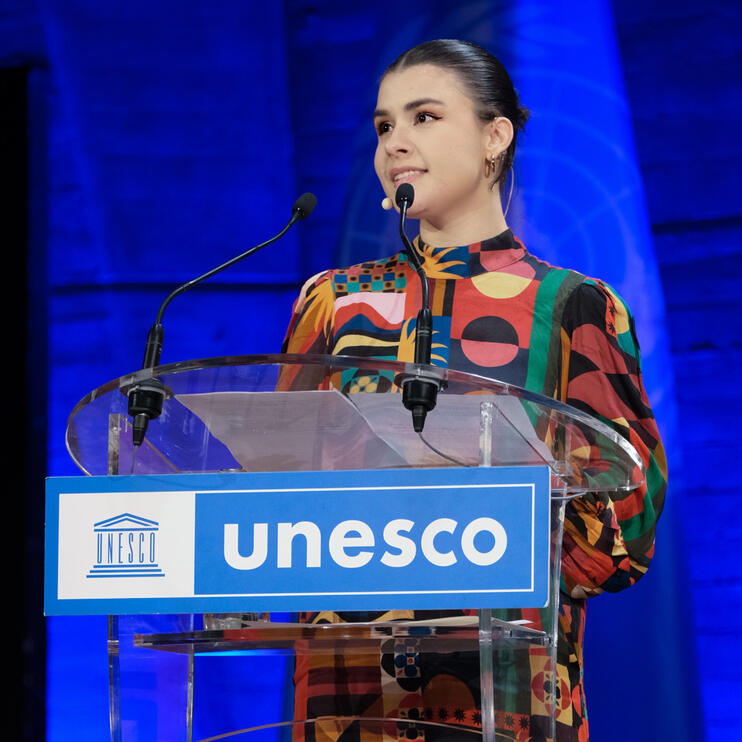
in true gen z style, EquiLabs was born out of a mix of burning rage and the courage to imagine emancipatory digital futures for all. we name how oppression is embedded in the tech systems we navigate, and reject depoliticised narratives that hide power and harm.EquiLabs is a youth-led digital rights lab translating collective feelings about digital technologies such as frustration, exhaustion, anger, and disempowerment, as well as excitement, hope, and curiosity into forms of action that produce accountability and justice. through collective research, political education, and international advocacy we are challenging Big Tech-driven narratives that dominate international decision-making spheres.we respond to a growing gap in digital governance: while young people are disproportionately exposed to algorithmic harms, extractive data practices, and precarious digital labor, they remain largely excluded from the institutions shaping digital policy.the core question motivating this project is how young queers, women, racialized, migrant-led movements can move beyond consultation and symbolic participation to exercise real influence over AI and digital governance processes, particularly those dominated by corporate power.methodologically, EquiLabs combines three strands of work. first, participatory research with young people affected by digital systems (from generative AI to platform governance) generating intersectional qualitative data on lived experience, political attitudes, and perceived harms. second, analysis of digital governance spaces where corporate and institutional actors hold substantial influence, including multistakeholder forums and policy consultations. third, movement-building experiments that translate research insights into coordinated campaigns, political demands, and public interventions.we have already piloted this approach through several projects. in 2025 we launched a youth manifesto on AI justice developed using inputs from hundreds of young participants and launched at the 2025 World Economic Forum in Davos. we have brought our advocacy to over 30 global fora in the past 2 years, including the UN World Data Forum, Mozilla Festival, UNESCO General Conference, shared our inputs regarding tech-facilitated gender-based violence in policy consultations, facilitated DIY workshops on queering AI with queer collectives, and we are currently preparing a digital rights bootcamp for young womxn activists to be carried out in Brazil in June 2026.we have reached 10,000+ stakeholders through our actions, influencing UN tech recommendations to include genderqueer identities, advising Brazil’s Vice-President on youth-led bottom-up innovation, and co-designing rights-based data frameworks with international organizations. our leadership team has served in a number of boards, including the UNFPA Global Symposium on Technology-facilitated Gender-based Violence’ Advisory Group, the Global Data Festival International Steering Committee, IGLYO’s Anti-Racism Panel.the next phase of our initiative focuses on systematising this model by providing advocacy tools to cohorts of youth advocates, refining the research framework, and developing accountability-oriented campaigns that directly target corporate practices and governance processes.join us in building a global youth-led movement for digital rights and AI justice, backed by an international community of advocates, policy-makers, and researchers who believe in the power of community in crafting the tech futures we desperately want and need.

our founder
Luísa Franco Machado is an award-winning international expert in digital rights and data justice. She has also been a technical advisor in data governance and AI ethics for governments, NGOs, and international organizations worldwide, including the UN, OECD.AI, GIZ, and others. Luísa has carried on policy research at the London School of Economics and Political Science (LSE) and Sciences Po Paris on the intersection between technology and socio-economic development. In 2022, the United Nations recognized them as a global Young Leader for the Sustainable Development Goals (SDGs) among more than 6,500 advocates. In 2025 she was featured in Apolitical's Government AI 100 list as a rising star.
Youth organisations demand social media change, not bans
The protection of young people from online harms remains high on the political agenda, but the debate continue to focus on age gates and social media bans. In response, 31 youth organisations and youth activists – the intended recipients of these ‘protective’ measures – have joined forces to speak up against their own exclusion. They warn that the real solution lies in addressing the root cause of the problem: the design and business model of platforms.Looking in the wrong direction
The recent verdicts in the United States, finding that Google and Meta intentionally designed addictive social media platforms, represent a landmark moment. It confirms that the harms experienced by young users are not accidental, but rooted in the design and business models of these platforms. Yet, instead of addressing these root causes, policymakers are increasingly turning to restrictions. Australia’s social media ban for young people and similar measures across Europe – including access limits, age verification and surveillance – reflect a growing trend that shifts responsibility away from platforms and onto young users. We, the generation these measures claim to protect, firmly reject this approach. If the goal is to truly support us, then it is time to listen to what we have to say.The golden cage
Do not lock us in a golden cage and call it protection. The failure to address the root causes of harm does not justify our exclusion, not even temporarily. Despite their flaws, online spaces offer something rare: meaningful access to information, connection and participation, at an unparalleled scale. These platforms are where we learn, create, organise, and take part in public and democratic life. Social media are far more than entertainment—especially for marginalised young people, including LGBTQIA+, disabled, religious minorities and migrant communities. They are lifelines, offering access to information, community, and support that may not exist elsewhere. How people use these spaces depends on their offline realities—whether they feel safe at home, have support networks, face language barriers, or experience racism or discrimination. For some, social media provide anonymity and safety; for others, they are the only way to access communities, resources, or information that would otherwise be out of reach. One-size-fits-all approaches, including blanket restrictions and sweeping bans, fail to account for these differences. Instead of protecting users, such measures risk cutting off those who rely on these spaces most. True digital fairness requires policies that reflect these differences, not ignore them.Safe digital spaces require rules and support
Every day, platforms exploit our attention, broadcast our personal data to thousands of companies, and push addictive features. These features include, among other things, infinite scrolling, autoplay videos, algorithmic feeds, push notifications, likes and streaks. Social media already have a duty to protect young people in the EU, but laws only matter if they are actually enforced. When legislation is watered down or its enforcement is lacking, young people suffer the greatest consequences. This is not a viable path. While Big Tech is spending over €113 million annually to lobby the EU and pushes for deregulatory measures, the direct beneficiaries of these decisions, young people and their representatives, have been partially or fully excluded from the process. Therefore we demand universal, systemic change: this means strictly enforcing the Digital Services Act and delivering an uncompromising Digital Fairness Act to protect everyone from exploitative design, regardless of age.When we understand the reasoning behind safety measures and are given meaningful choices, we are far less likely to resist or bypass them. In any case, we do not want a future where our rights are overridden “for our own good,” or where online participation depends on one’s ability or willingness to provide identification documents or biometrics. True safety must be empowering, and it cannot be delivered by laws and information alone: Regulators, educational programs, helplines, and NGO’s must also be properly resourced to make these protections effective. Moreover, digital spaces must be built and regulated in a way that reflects the lived experience of marginalised communities, in particular those facing systemic harm.The success of child protection policies should never be measured by how many young people are excluded from online spaces, but by how many young people have access to safe online spaces that match their reality. We want policies which address the root causes of the harms, ensuring that the adults we are growing into won’t inherit the same exploitative systems. Bans and invasive age verification do not solve the underlying problems; they merely delay them. To achieve safer digital environments, we must confront the systems that produce harm, not remove those most affected by it.Don’t build a digital world for us, build it with us, so it becomes one we want to inherit.Contribution by: Simeon de Brouwer, Policy Advisor at EDRi, Thomas Reboul, Ctrl+alt+reclaim France & Niels Zagema, Dutch youth representative on European affairsIt is supported bySpanish Youth Council (CJE)
National Youth Council of Ireland (NYCI)
Hellenic Youth Council (ESYN)
National Youth Council of Moldova (CNTM)
Slovak Youth Council (RmS)
Flemish Youth Council (VJR)
Council of the German-speaking Youth of Belgium (RdJ)
Forum des Jeunes (Belgium) (FJ)
Swiss National Youth Council (SAJV/CSAJ)
National Youth Council of Slovenia (MSS)
National Youth Council of Serbia (KOMS)
Croatian Youth Network (MMH)
Norwegian Children and Youth Council (LNU)
Austrian National Youth Council (BJV)
National Youth Council of Latvia (LJP)
National Youth Congress of Albania (NYC)
ctrl+alt+reclaim France
IGLYO
Youth committee of the European Disability Forum (EDF)
EDYN
OBESSU
AEGEE
FEMYSO
JECI-MIEC
EquiLabs
YEN
Teckids
Trans and Nonbinary Youth Vienna
EUDYOther signatories:DEI-Belgium (Défense des Enfants International – Belgique)
La Commission Enfance et Jeunesse de la Ligue des Droits Humains (LDH)
EDRi (European Digital Rights)This op-ed was published in various languages in The Brussels Time (Belgium), Mediapart (France), Wired Italia, Le Soir (Belgium), Altinget (Norway), and News 247 (Greece).